Video Resume vs Traditional Resume: When Each One Works
Every few years someone announces that the written resume is dead and video has replaced it. It has not happened, and it is not going to happen soon.
But the opposite claim, that video resumes are a gimmick, is wrong as well. For the right role, sent the right way, a 90-second video can do something a page of text cannot.
The useful question is not which one is better. They do different jobs. This guide explains what each is good at, the situations where a video helps, the situations where it can count against you, and how to use the two together so each covers the other's weakness.
The short answer
- You always need a written resume. It is what employers ask for, what their software reads and what gets you through the first screen.
- A video resume is an optional extra that helps most when the job depends on how you communicate, and when a real person will be the one deciding whether to watch it.
- The strongest applications use both: a written resume built to pass screening, plus a short video link for the human who reads it afterwards.
What each one actually does
| Traditional resume | Video resume | |
|---|---|---|
| Shows | What you have done: roles, dates, skills, results | How you communicate: clarity, energy, presence |
| Read by | Software first, then people | People only |
| Time to review | Seconds to scan | One to two minutes to watch |
| Searchable by keyword | Yes | No |
| Required by employers | Almost always | Almost never |
| Easy to tailor per job | Yes, edit and resend | Harder, usually needs a new recording |
| Risk of bias | Lower, if personal details are left off | Higher, because your face and voice are visible |
| Best at | Getting you through screening | Making you memorable once you are through |
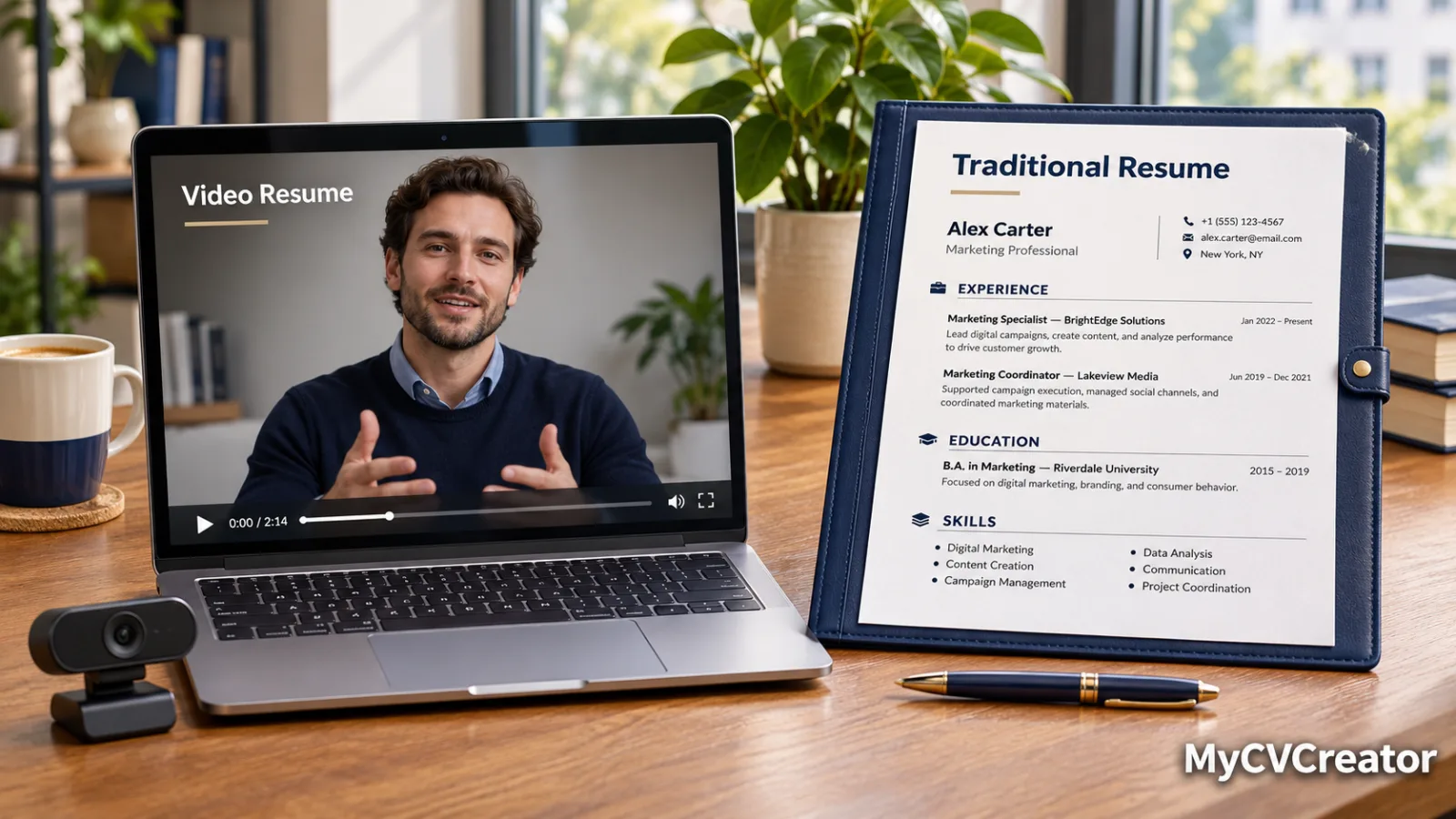
Read that table again and the relationship becomes clear. The written resume gets you into the pile a human looks at. The video gives that human a reason to pick you out of it.
Why the written resume is not going anywhere
Three practical reasons.
Software reads it first. Most mid-sized and large employers now run applications through screening software before a recruiter sees them, as we cover in our piece on how AI now reads most resumes. That software matches the text of your resume against the job. It cannot watch a video. A candidate who sent only a video would simply not appear in the results.
Recruiters scan, they do not study. A recruiter working through a long list of applicants gives each resume a few seconds on first pass. A page of text can be scanned in that time. A two-minute video cannot. Asking a busy recruiter to watch before they know whether you are qualified is asking for more time than most can give.
It is the record. Hiring involves several people: the recruiter, the hiring manager, an interview panel, sometimes HR and a background check. The written resume is the document that travels between them, gets annotated and sits in the file.
So the written resume is the foundation. Everything else, including video, is built on top of it.
What a video resume can do that paper cannot
Where the written resume lists, a video demonstrates. That matters most for three things.
Communication skills. "Excellent communicator" on a resume is a claim. Ninety seconds of you explaining your work clearly is evidence. For any role where talking to people is the job, that evidence is exactly what the employer is trying to find out.
Language fluency. If you are applying across borders, an employer may wonder about your spoken English, or whichever language the job runs in. A video answers the question before it is asked.
Context for an unusual story. A career change, a gap, a move between countries or a thin graduate resume can look confusing on paper. Hearing a person explain it in two sentences often removes the doubt. Our guide to the career pivot resume covers the written side of that problem.
There is also a simpler effect. Most applications are text. A short, well-made video is unusual, and unusual is remembered.
When a video resume helps
Use one when most of these are true.
- The role is people-facing. Sales, customer service, hospitality, account management, recruitment, teaching, training, public relations, presenting.
- The role is creative or media-based. Marketing, content, design, video, social media.
- A real person will receive it. You are emailing a hiring manager, messaging a recruiter, applying to a small company or being referred by a contact.
- You are applying remotely or internationally, and the employer cannot easily meet you.
- Your resume needs a voice. You are a graduate, a career changer or returning after a gap.
- The employer invites it. Some postings ask for a short video introduction or say extra material is welcome.
When a video resume can hurt
Hold back when any of these are true.
- The posting says no additional material, or the application is a portal with no field for links. Follow the instructions. Ignoring them reads as not listening.
- The hiring process is formal and standardised. Government roles, many large corporate graduate schemes, regulated professions and academic posts often assess every candidate on identical written criteria. Extra material is usually ignored and occasionally frowned upon.
- The role is assessed on technical credentials. For many engineering, accounting, legal and scientific roles, your qualifications and work samples carry the decision.
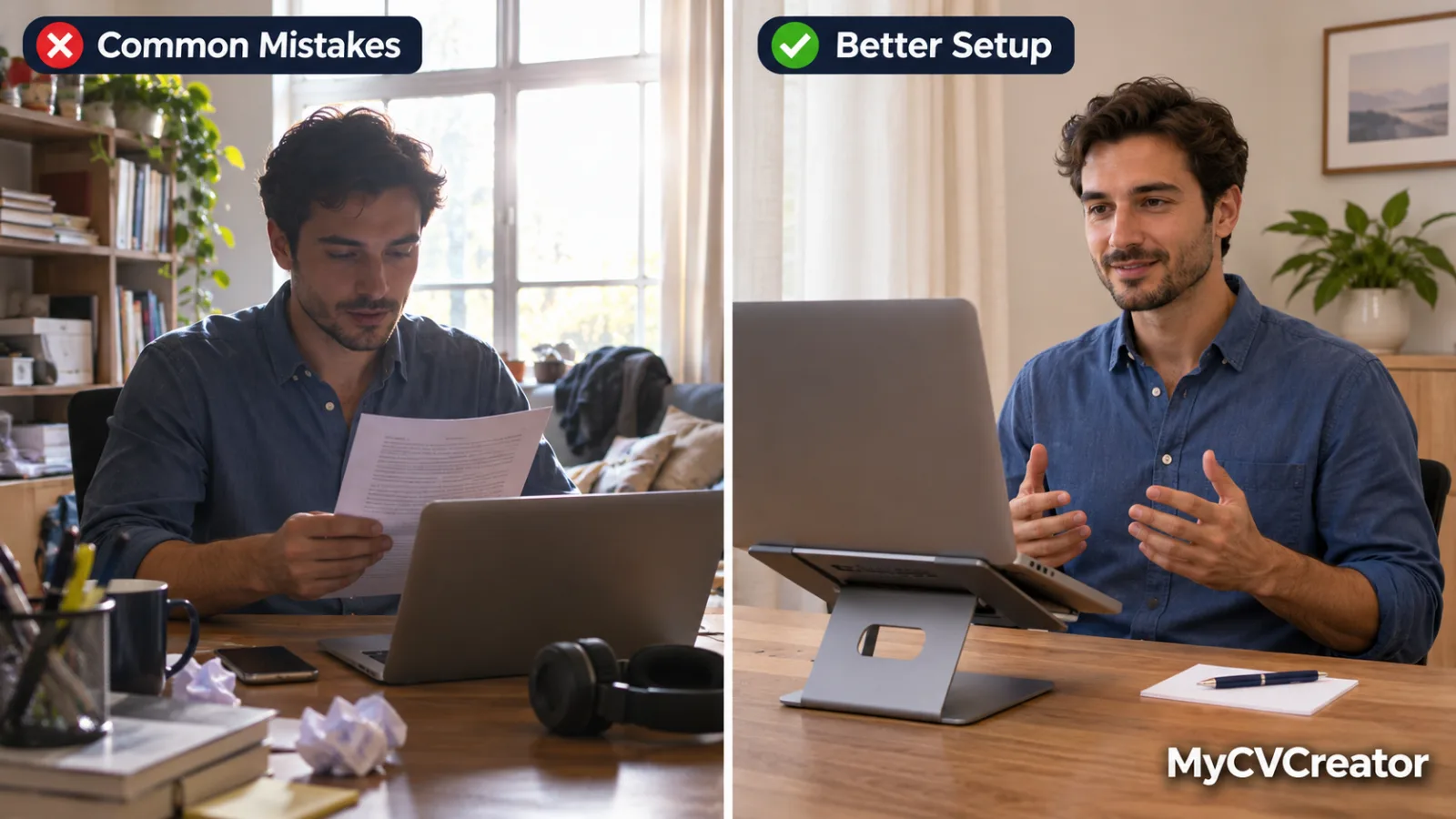
- The video is not good. Poor sound, bad lighting, reading stiffly from a screen or running four minutes will leave a worse impression than no video at all.
- It replaces the written resume. Never do this.
The bias question
This deserves a straight answer, because it is the main reason some employers are wary of video.
A video shows your face, your voice, your approximate age, your accent and your surroundings. A written resume, properly prepared, shows none of those. In countries with strong anti-discrimination laws, the United States in particular, many employers deliberately avoid seeing these things early in hiring so that nobody can claim a decision was based on them. Some will not open a video for that reason.
That is not a judgment on you. It is the employer protecting its process.
Two practical conclusions follow. First, always offer the video as an optional link, never as the only way to learn about you. An employer who prefers not to watch can skip it with no harm done. Second, keep the same personal details out of the video that you would keep off the page: no age, marital status, religion or family details. Our US resume vs international CV guide explains what to remove and why.
Norms also differ by country. In much of continental Europe, the Gulf and parts of Asia, photos on CVs are common and a video is a smaller step. In the US, UK and Canada, the default is no photo, so a video stands out more and should be offered more carefully.
Do employers actually watch video resumes?
Some do and some do not, and it depends far more on how the video reaches them than on the video itself.
A link buried in an application to a large company's portal has a low chance of being opened. The recruiter is moving fast and the software has already ranked you on your text.
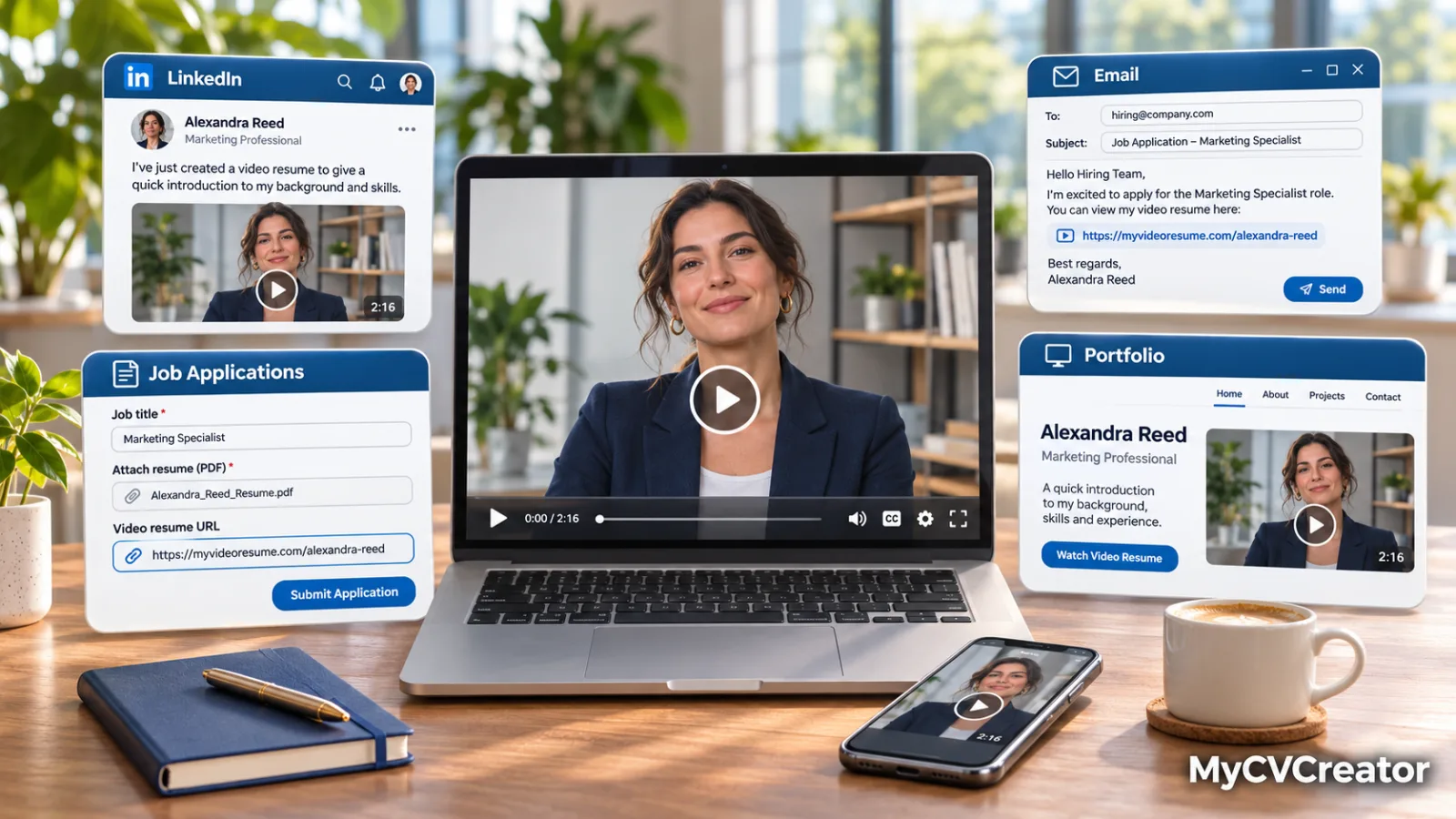
A link in a short, direct message to a hiring manager at a small or mid-sized company has a much better chance. So does one in the Featured section of your LinkedIn profile, where a recruiter who is already looking at you can click it, or one sent after a first conversation as a follow-up.
The pattern is simple. A video works when a person is already paying attention to you. It rarely creates that attention on its own. Use the written resume and direct contact to earn the attention, and the video to make the most of it.
How to use both together
Here is a practical way to combine them.
1. Build the written resume first. Clean single-column layout, standard headings, results with numbers, tailored to the job. This is what gets screened.
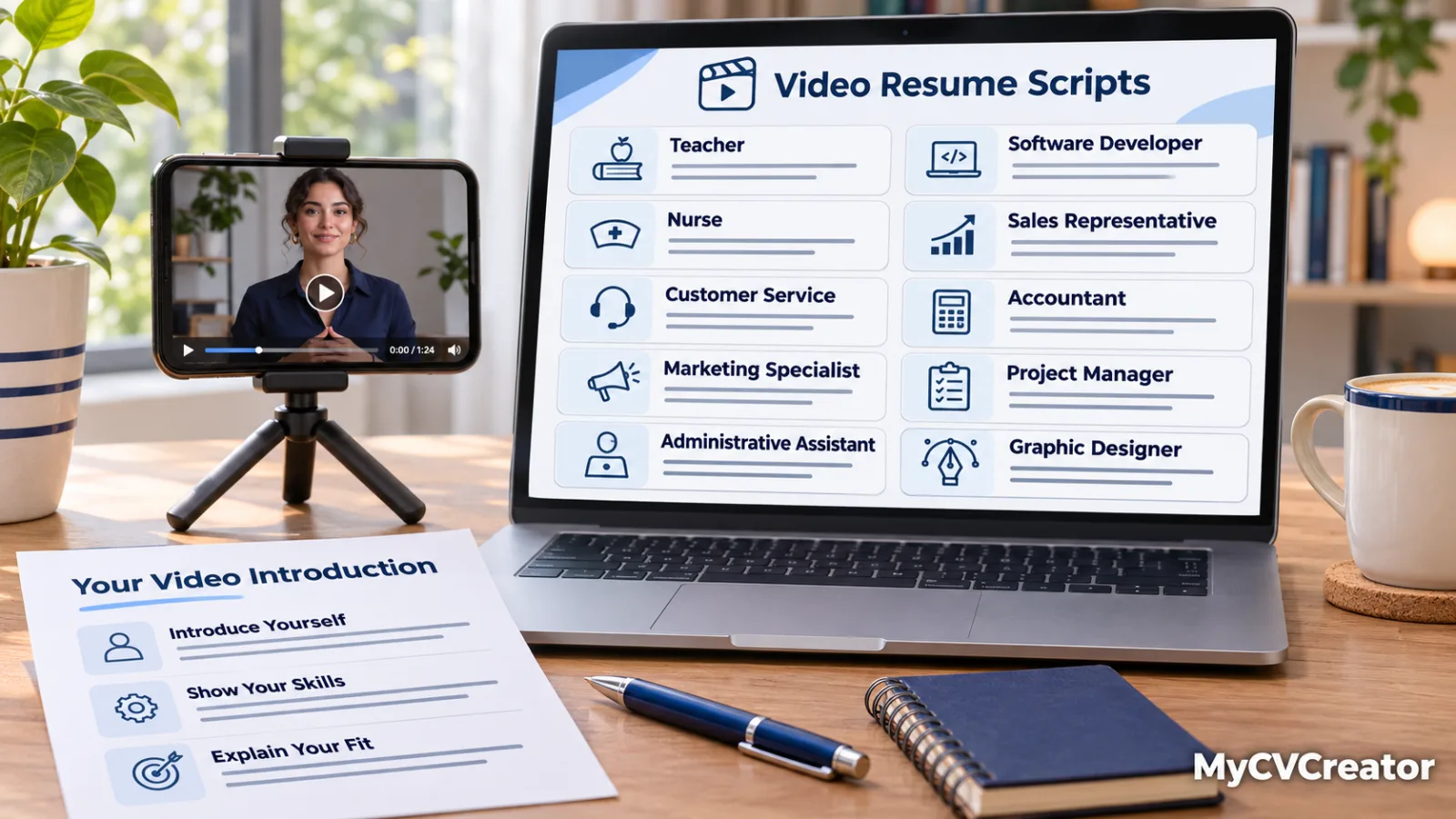
2. Draft your video script from that resume. Pick the one or two strongest results and build 90 seconds around them. The MyCVCreator video resume builder drafts a script from your saved or uploaded resume, so both documents tell the same story.
3. Do not repeat the page. The video should add what the resume cannot: why you want this kind of role, how you explain your work, what you are like to deal with.
4. Add the link in the right places. A line in your resume's contact section, one sentence in your email or cover letter, and the Featured section of your LinkedIn profile.
5. Keep them consistent. Job titles, dates and results should match exactly. A video that contradicts the page raises questions.
6. Let the employer choose. Phrase it as an option: "I have also recorded a 90-second introduction, if useful."
Our step-by-step guide on how to make a video resume covers the script structure, recording set-up and four full example scripts.
Which should you spend your time on?
If you only have an hour, spend all of it on the written resume. A stronger written resume improves every single application you send. A video improves some of them.
Once the written resume is solid, a video is a good use of the next hour if you are in one of the groups it helps: people-facing roles, creative roles, international or remote applicants, graduates and career changers. One good recording can be used across many applications of the same type.
If you are applying mainly to formal, technical or government roles, your second hour is usually better spent tailoring the resume to each posting or preparing for interviews with our guide to common interview questions.
Quick decision guide
| Your situation | Recommendation |
|---|---|
| Applying through a large company portal with no link field | Written resume only |
| Emailing a hiring manager at a small company | Both, video as a link |
| Customer service, sales or hospitality roles | Both |
| Government, legal, academic or regulated roles | Written resume only |
| Remote job with an overseas employer | Both |
| Fresh graduate with little experience | Both |
| Changing careers | Both |
| Senior technical specialist | Written resume, video optional |
| Posting asks for a video introduction | Both, and follow their format |
| Posting says no extra material | Written resume only |
Frequently asked questions
Is a video resume better than a traditional resume? No. They do different jobs. The written resume passes screening and is what employers require. A video resume is an optional extra that shows how you communicate.
Can a video resume replace a written resume? No. Screening software cannot read video, and almost every employer asks for a written document. Always send the written resume and offer the video as a link.
Is a video resume worth making? Yes for people-facing, creative, remote and international roles, and for graduates and career changers. It adds less for formal, technical or government applications.
Do recruiters watch video resumes? Some do. Videos are most likely to be watched when they reach a specific person directly, by email, message, referral or on your LinkedIn profile, rather than through a large application portal.
Can a video resume lead to discrimination? A video reveals characteristics a written resume does not, which is why some employers avoid watching them early in hiring. Offer yours as optional and leave out personal details such as age, marital status and religion.
How long should a video resume be? Between 60 and 120 seconds, ideally about 90.
The short version
The written resume gets you seen. The video resume, used well, gets you remembered. Build the written one first and build it properly, then add a short video when the role rewards communication and a real person will be the one opening the link. Offer it, do not impose it, and never let it stand in for the page.
Start with the foundation: build your resume on MyCVCreator, then turn it into a video resume in a few minutes.
Related reading
- How to Make a Video Resume: Step-by-Step With Script Examples
- How to Pass a One-Way Video Interview
- AI Now Reads Most Resumes: What the New Data Means
- US Resume vs International CV: What to Delete
- The Career-Pivot Resume
- LinkedIn for the US Job Market
- Skills-Based Resume Format: When and How
- Common Interview Questions and How to Answer Them