Tech Jobs in 2027: The Roles Still Hiring Juniors
If you are trying to land your first tech job, you are not imagining it: the door is narrower than it was. SignalFire's 2026 State of Talent report found new-grad and entry-level hiring at 12 of the largest tech companies down about 65% compared with 2019. Across the wider US market, Indeed counts entry-level postings down 7.5% year on year while senior postings rose 14.7%.
But "tech is closed to beginners" is the wrong conclusion. Big Tech is only one employer, software development is only one role, and 2027 looks different from 2025. In Korn Ferry's survey of more than 1,300 talent leaders for 2027, 40% plan to keep entry-level hiring steady while redesigning the work, and 16% plan to increase it.
This guide shows which junior tech roles are still hiring, where, what employers now expect, and how to get in.
Why junior roles shrank, and what changes in 2027
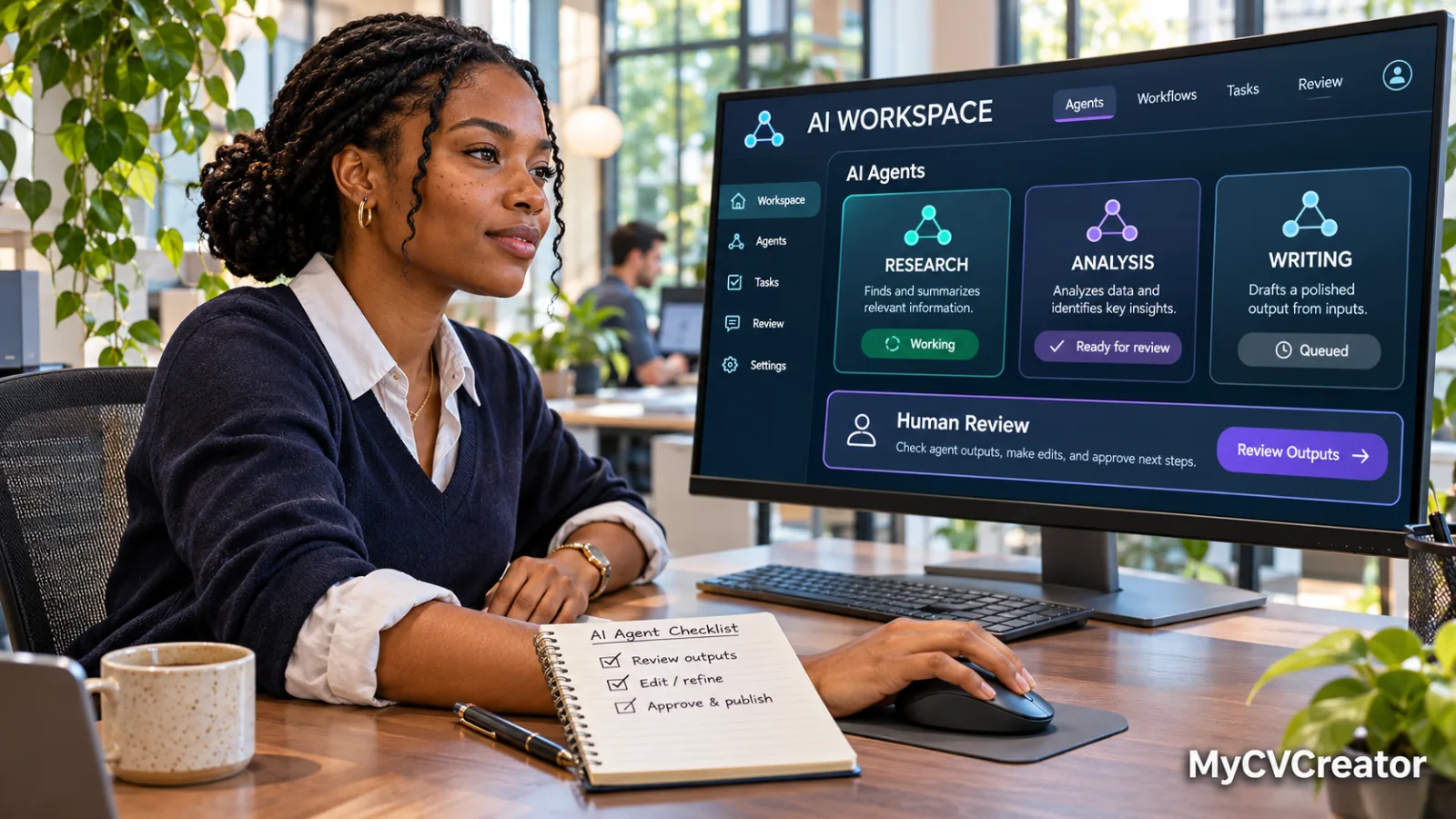
Three forces cut junior hiring after 2022. Tech companies slowed hiring after the pandemic boom. AI tools began to handle routine tasks juniors used to learn on, such as simple code, testing, and first-line support. And many employers chose to hire experienced people who could deliver from day one.
The 2027 picture is more mixed. Korn Ferry's 2027 report found that 63% of leaders expect AI agents to take over routine tasks, but 40% plan to maintain entry-level hiring with a greater focus on higher-value work. Others are going the other way: 21% plan to lean on experienced hires and 19% plan to cut entry-level roles in favour of AI.
Some large employers are moving against the trend. IBM said in early 2026 that it would triple its entry-level hiring in software, security, and AI.
The practical meaning for you: junior roles still exist, but they now expect you to supervise AI output and handle the judgment calls, not just the routine. We covered the wider shift in entry-level jobs are shrinking.
The roles still hiring juniors
These roles keep a working entry point because they combine people, systems, and judgment that AI does not handle well on its own.
Role | Why demand holds | Typical entry route |
|---|---|---|
IT support and service desk | Every organisation needs people to fix devices, accounts, and access | Entry certification such as CompTIA A+, or a support apprenticeship |
Junior data analyst | Companies want people who can question data and explain results to managers | Excel, SQL, and one visualisation tool, plus a portfolio of 2 to 3 projects |
Cloud support associate | Firms keep moving systems to the cloud and need people to run them | A fundamentals certification from AWS, Microsoft Azure, or Google Cloud |
SOC analyst and security support | Security teams still need people to triage alerts and escalate | Security+ or ISC2 CC, home lab, and IT support experience |
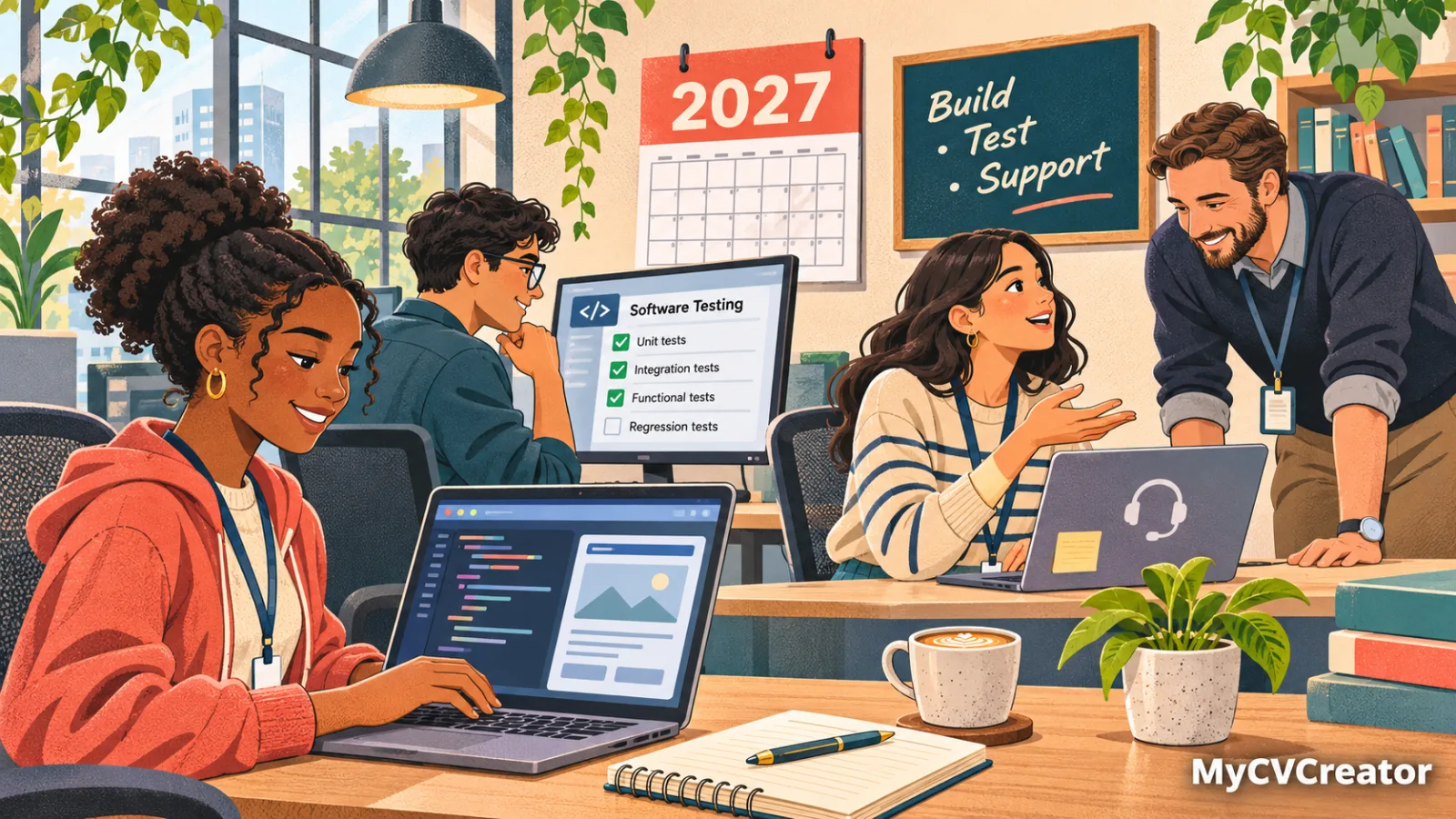
QA and test analyst with automation | Testing is shifting to writing and maintaining automated test suites | Basic Python or JavaScript and a testing framework |
Technical support for software products | Customers still want a human who understands the product | Strong communication plus product knowledge |
Business systems or CRM administrator | Companies need people to configure tools like Salesforce or HubSpot | Vendor admin certification, often free to learn |
Junior software developer in non-tech firms | Banks, insurers, hospitals, and government still train juniors | Portfolio, internship, or graduate scheme |
Notice the pattern: the most accessible roles are not pure coding jobs. They sit between technology and the business. For cybersecurity routes in detail, see cybersecurity careers without a degree.
Where junior hiring is strongest
The sharpest cuts happened at large tech firms and startups. SignalFire found entry-level hiring at early-stage startups down about 75% against 2019, an even steeper fall than at the big firms. So widen your search beyond them.
- Banks, insurers, and financial services. Large IT departments, strict regulation, and structured graduate schemes.
- Healthcare. Hospitals and health systems need support, data, and security staff, and value people who understand patient data rules.
- Government and public bodies. Slower to hire, but more likely to train juniors and offer apprenticeships.
- Large enterprise software and infrastructure firms. Companies that sell to other businesses often keep training pipelines.
- IT services and outsourcing firms. Managed service providers and consultancies hire juniors in volume for support and implementation work.
- Non-tech companies with growing digital teams. Retailers, manufacturers, logistics, and telecoms all run internal tech teams.
If you are early in your career, the IT department of a non-tech company is often a better first step than a famous tech brand. You get broader experience, closer mentoring, and less competition.
What employers now expect from a junior
The junior role of 2027 looks more like the mid-level role of a few years ago. Employers worry about readiness: a General Assembly survey found that fewer than a quarter of US vice-president-level executives felt entry-level hires were very or completely prepared.
To stand out, show five things:
- Proof you can build or fix something. A finished project beats a list of courses.
- AI fluency with judgment. You use AI tools to work faster and you check what they produce. Our guide on how to show AI skills on your CV shows how to write this.
- Communication. You can explain a technical problem to someone who is not technical.
- Business awareness. You understand why the work matters to the company, not just how to do it.
- Learning speed. You can show that you picked up a new tool or skill quickly and used it.
Many employers will test these directly, including AI skills. See AI skills tests in hiring for how to prepare.
Routes in
The open job advert is only one door, and often the most crowded one. Try several at once.
- Apprenticeships. Paid training while you work, common in the UK, Germany, and growing elsewhere. In Korn Ferry's 2027 survey, a third of organisations said they plan to invest more in apprenticeships and internships.
- Graduate and early-career schemes. Banks, consultancies, and large employers open applications in autumn for the following year. Check deadlines early.
- Internships and placements. Even a short internship gives you a real reference and something concrete to discuss.
- Returnship and reskilling programmes. Some employers and government schemes train career changers into support, data, or cloud roles.
- Internal moves. If you already work somewhere, ask to shadow the IT or data team, then apply internally. This is one of the most reliable side doors.
- Freelance and contract work. Small paid projects for local businesses build a portfolio and references.
- Skills-based hiring. Korn Ferry found 29% of organisations moving to skills-based rather than degree-based early-career hiring, which helps candidates with strong portfolios but no degree.
How to stand out on your CV
With fewer junior roles and more applicants per role, your CV has to show readiness in the first few seconds.
- Lead with a projects section if you have little work experience. Treat each project like a job: what you built, the tools, and the result.
- Link to proof. A GitHub profile, portfolio site, or dashboard link lets a recruiter check your work in seconds.
- Show AI use with checks. One bullet showing you used AI tools and verified the output signals the judgment employers want.
- Translate non-tech experience. Retail, admin, or customer service jobs show reliability and communication. Pull out anything technical, such as running a stock system or training staff on new software.
- Tailor to the role family. A support CV leads with troubleshooting and communication. A data CV leads with SQL and analysis projects.
Weak | Strong |
|---|---|
Passionate about technology | Built a sales dashboard in Power BI from 2 years of public retail data, published with a short write-up |
Knowledge of Python | Wrote a Python script that cleans and merges 3 monthly spreadsheets, saving my team about 2 hours a week |
Customer service assistant | Resolved 40+ customer queries a day and trained 4 new starters on the till and stock system |
For layout and format rules, see resume trends 2027.
Frequently asked questions
Is it still worth starting a tech career in 2027?
Yes, but go in with a realistic plan. Junior roles are fewer and more competitive, especially at big tech firms. Roles that mix technology with business, support, data, or security still offer a way in.
Has AI replaced junior developers?
Not entirely. AI handles more routine coding and testing, so companies hire fewer juniors and expect more from each one. Junior developers who can review AI output, debug, and communicate are still hired.
Which junior tech job is easiest to get?
IT support is usually the most accessible, followed by technical support for software products. Both build experience you can use to move into security, cloud, or data later.
Do I need a computer science degree?
Not for many entry roles. Certifications, projects, and apprenticeships are accepted by a growing number of employers, especially for support, data, and security work.
How long should my junior job search take?
Plan for several months. Apply widely across sectors, use more than one route, and keep building your portfolio while you search.
Your next step
Pick one role family from the table, build one project that proves you can do it, and apply across at least three sectors, not just tech companies. Build a CV that leads with that proof using MyCVCreator, and add a short video resume explaining your project. Employers hiring fewer juniors want to see how you think before they meet you.