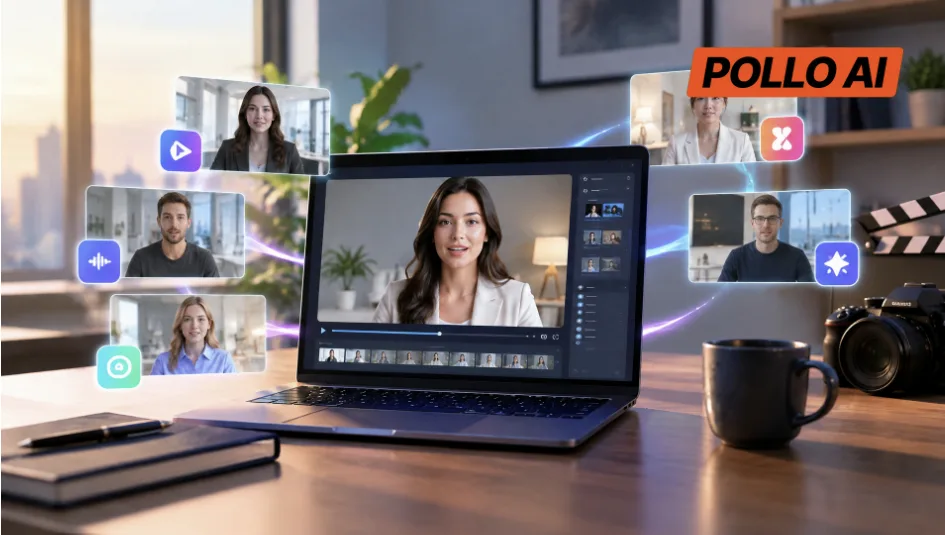
5 Leading Vidnoz Alternatives for Photorealistic Talking Videos: Real Comparison
Need talking avatars with convincing lip-sync, natural expressions, and believable movements? Vidnoz can handle basic talking videos, but other platforms may be better suited to product demonstrations, multilingual content, or professional presentations. This guide compares five leading Vidnoz alternatives, covering their features, strengths, limitations, and the projects each handles best.
How Do the 5 Leading Vidnoz Alternatives Compare?
What Are the 5 Best Vidnoz Alternatives for Realistic Talking Videos?
1. Pollo AI Avatar – Best for Realistic Product and Social Videos
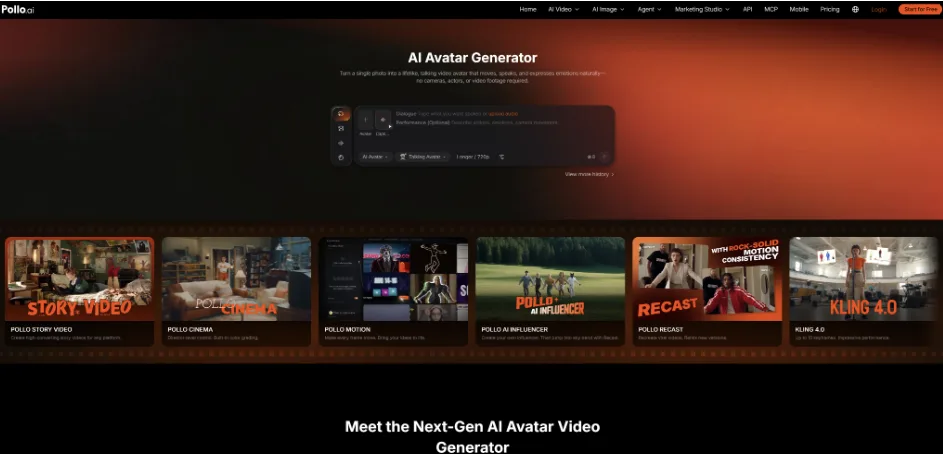
Pollo AI Avatar is a photo-based avatar maker within the broader Pollo AI creative suite. It turns a single image into a talking video with synchronized speech, facial expressions, and natural hand gestures. Users can upload a photo, enter a script or audio, and generate videos up to two minutes long without recording footage or training a custom avatar.
What makes it particularly useful for marketing is its support for product interactions. An online seller can upload a presenter image alongside a product photo to create a short video showing the avatar holding or introducing the item. This is more relevant to product ads than a standard talking-head clip. The platform also supports animated characters and mascots, giving creators options beyond conventional human presenters.
Strengths:
Expressive facial movements, lip-sync, and gestures.
Product-in-hand videos for e-commerce and advertising.
Access to additional image, video, and marketing tools within Pollo AI.
Limitations:
Videos are limited to two minutes.
Complex gestures and product interactions may produce visual inconsistencies.
Best for: E-commerce brands, social media creators, and marketers making short avatar-led promotional videos.
2. HeyGen – Best for Multilingual Talking Avatar Videos
HeyGen is an AI video creation platform known for realistic digital presenters, personalized avatars, and multilingual video production. Its Avatar IV technology can animate a single photo with synchronized speech, facial expressions, and gestures, while video-based avatars provide another option for creators who want a reusable digital version of themselves.
HeyGen makes particular sense when the same presenter needs to deliver content to different audiences. For instance, a software company could create one product tutorial and adapt it into several languages while keeping the presenter and visual style consistent. This reduces the need to record separate versions for every market.
Strengths:
Natural-looking facial motion and expressive gestures.
Video translation with synchronized lip movements.
Reusable personal avatars for regular content production.
Limitations:
Avatar IV generation consumes credits, including on paid plans.
Higher-quality generation settings can increase credit usage.
Best for: International marketing teams, educators, and creators producing multilingual talking videos.
3. Synthesia – Best for Corporate Training and Presentations
Synthesia is an AI video platform designed for professional presentations, employee training, and business communication. It combines a library of digital presenters with personal avatars that can be created from photographs or recorded footage. Users can customize presenter appearances and produce narrated videos through a structured editing interface.
For businesses, its main appeal is consistency. An HR team, for example, can use the same virtual instructor across onboarding videos, policy updates, and internal announcements. When information changes, the team can update the script rather than organize another filming session. Built-in translation and collaboration features also help organizations maintain training materials across departments and regions.
Strengths:
Professional presenters suited to business communication.
Customizable avatars and multilingual video production.
Team collaboration and structured training workflows.
Limitations:
Personal photo avatars require a paid subscription and consent verification.
Less focused on expressive product demonstrations or entertainment content.
Best for: HR departments, training teams, and companies creating standardized instructional videos.
4. D-ID – Best for Talking Photos and API Integration
D-ID is a digital human platform specializing in turning photographs into speaking avatars. Its video generation tools support scripts, audio, and different avatar technologies, from photo-based talking heads to more expressive digital presenters. Developers can also access these capabilities through APIs.
This makes D-ID useful for projects where talking avatars need to work inside another product. A customer-support website, for example, could feature an animated assistant that explains services or responds to visitors. Marketers can also use the platform to create personalized talking-photo messages without building a complete video production workflow.
Unlike platforms centered on slide presentations or marketing templates, D-ID offers a more development-oriented approach to avatar creation.
Strengths:
Flexible photo-to-talking-video generation.
APIs for avatar videos and real-time conversational agents.
Several avatar technologies for different presentation needs.
Limitations:
Trial and Lite videos include watermarks.
API-based projects require development work and additional cost planning.
Best for: Developers, customer engagement teams, and creators animating still portraits.
5. Colossyan – Best for Interactive Training Videos
Colossyan is an AI video platform built primarily for workplace learning and instructional content. It provides digital presenters, customizable avatars, and tools for turning scripts, documents, and presentations into narrated videos.
Its multi-avatar scenes are particularly useful for training situations that involve dialogue. A customer service team, for example, could create a conversation between an employee and a difficult customer, then add questions to test how viewers would respond. Colossyan also supports branching scenarios, allowing learners to follow different paths based on their choices.
These features give the platform a clear role beyond simple talking-head generation, especially when companies need videos that teach rather than just explain.
Strengths:
Multiple avatars in the same scene for realistic conversations.
Interactive quizzes, branching scenarios, and LMS integration.
Document-to-video workflows for existing training material.
Limitations:
Some interactive and export features depend on the subscription plan.
Its training-oriented workflow may be excessive for short social videos.
Best for: Corporate trainers, instructional designers, and organizations building scenario-based learning content.
Which Vidnoz Alternative Should You Choose?
There isn't one avatar maker that works equally well for every project. The choice comes down to what the presenter needs to do.
Pollo AI Avatar is worth considering for short product showcases and social videos where expressive gestures and product interaction matter. HeyGen is better suited to multilingual campaigns and creators who regularly use the same digital presenter.
For workplace communication, Synthesia offers a structured approach to professional presentations, while Colossyan is more appropriate when training involves conversations, quizzes, or interactive scenarios. D-ID makes more sense for photo animation projects and developers integrating avatars into websites or applications.
If only one tool can be shortlisted for marketing and e-commerce content, Pollo AI Avatar offers a useful combination of talking-photo generation and product-focused features. However, the most reliable way to compare realism is to test the same script across two or three platforms, paying attention to mouth movement, facial consistency, gestures, and the cost of usable output.
Conclusion
Vidnoz has plenty to offer for straightforward talking videos, but these alternatives serve more specific production needs. Some focus on expressive avatars, others on reusable presenters, multilingual delivery, or interactive learning.
For product-led videos, Pollo AI Avatar is a sensible starting point. For training, localization, or developer projects, the other platforms may offer a better fit. Ultimately, the right choice is the one that produces convincing results for the intended content without adding unnecessary cost or complexity.