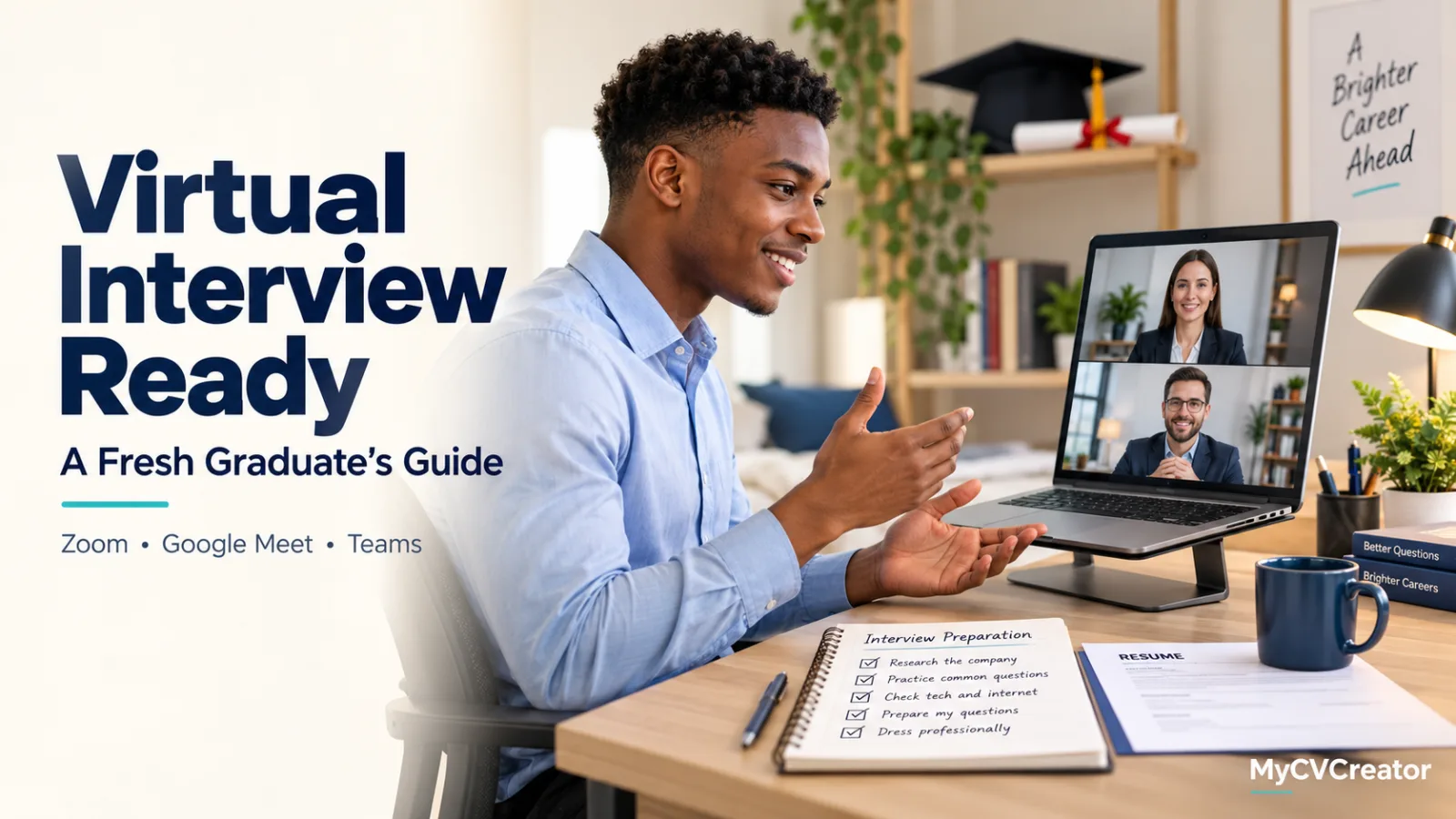
How to Prepare for a Job Interview in Nigeria
Introduction: Why Interview Preparation Matters in Nigeria
Job interviews are gateways to career opportunities. In Nigeria—where unemployment rates remain high and competition for professional roles is fierce—the difference between securing an offer and losing out often comes down to preparation. Employers want candidates who not only demonstrate the required skills but also present themselves confidently, communicate effectively, and align with the company’s culture.
According to recruiters, many Nigerian candidates underperform in interviews not because they lack qualifications, but because they fail to prepare adequately. This highlights the need for structured, intentional preparation—something that platforms like MyCVCreator.com are actively addressing through AI-powered mock interviews, personalized feedback, and professional coaching tools.
This guide explores everything you need to know to ace your next interview in Nigeria—from pre-interview groundwork to cultural nuances, the interview day itself, and post-interview strategies.
1. Pre-Interview Preparation: Building the Right Foundation
1.1 Research the Employer
Thorough research sets you apart. Before stepping into the interview room, understand:
-
Company history: When was it founded? Who are its founders?
-
Mission and values: How do your goals align with theirs?
-
Products/services: What is the organization’s main line of business?
-
Recent news: Any partnerships, awards, or expansions?
This knowledge shows initiative and helps tailor your responses. For instance, if you are interviewing with a bank in Lagos, you should be aware of their digital banking products or CSR initiatives.
1.2 Understand the Job Role
Re-read the job description and highlight:
-
Core skills required.
-
Experience level expected.
-
Measurable responsibilities (e.g., “increase sales by 20%”).
During your answers, mirror this language. For example, if the role emphasizes “team leadership,” prepare stories that showcase how you’ve led or collaborated with a group successfully.
1.3 Anticipate Common Interview Questions
Some questions are almost inevitable in Nigerian interviews, such as:
-
“Tell me about yourself.”
-
“Why should we hire you?”
-
“What do you know about this company?”
-
“Where do you see yourself in five years?”
Use frameworks like STAR (Situation, Task, Action, Result) to structure your answers. MyCVCreator’s interview prep blog also provides model answers to frequently asked questions—helping you rehearse effectively.
1.4 Rehearse with Mock Interviews
Practice isn’t just about memorizing answers. It’s about building confidence, adjusting body language, and refining tone. On MyCVCreator.com, you can:
-
Record your responses via webcam.
-
Receive AI-driven feedback on clarity, confidence, and delivery.
-
Spot nervous habits (e.g., fidgeting, filler words).
-
Improve steadily with guided practice.
This kind of digital rehearsal is especially useful for virtual job interviews, which are becoming common in Nigeria’s tech and multinational sectors.
2. Cultural and Professional Context in Nigeria
2.1 The Nigerian Job Market Reality
In a competitive job market, employers are flooded with applicants. Only those who demonstrate both competence and professionalism move forward. Many organizations also value soft skills—adaptability, communication, teamwork—just as much as technical qualifications.
2.2 Dress Code Expectations
Appearance speaks volumes. In Nigeria:
-
Corporate sectors (banking, oil & gas, law): Conservative suits, ties, and formal dresses are standard.
-
Tech startups or creative agencies: Smart-casual is often acceptable, but neatness is still crucial.
-
Northern Nigeria: Dress conservatively, respecting cultural norms.
Wearing the wrong attire could undermine your credibility before you even speak.
2.3 Time Consciousness
Punctuality is a cultural marker of seriousness. Arrive 10–15 minutes early. Being late suggests disorganization and lack of respect for the employer’s time.
3. Mastering Interview Communication
3.1 Verbal Communication
-
Keep your responses clear, concise, and relevant.
-
Avoid excessive slang or filler words like “you know” or “erm.”
-
Demonstrate enthusiasm without exaggeration.
3.2 Non-Verbal Communication
Body language matters just as much as words:
-
Maintain eye contact.
-
Sit upright with open posture.
-
Use measured hand gestures for emphasis.
-
Smile when appropriate.
On MyCVCreator’s video practice tool, you can replay recordings to monitor and correct body language habits.
3.3 Active Listening
Don’t just wait to answer—listen carefully. Nod slightly to show engagement. If unclear, politely ask: “Could you please clarify the question?” This demonstrates thoughtfulness.
4. Navigating Question Types in Nigerian Interviews
4.1 Behavioral Questions
E.g., “Tell me about a time you worked under pressure.”
Use STAR to show how you handled challenges and achieved results.
4.2 Technical Questions
For IT, engineering, or finance roles, be prepared to solve problems on the spot. Think aloud, explaining your reasoning.
4.3 Situational Questions
E.g., “What would you do if a client disagreed with your proposal?”
Employ logical, diplomatic responses showing problem-solving ability.
4.4 Cultural Fit Questions
E.g., “How do you handle team diversity?”
In Nigeria’s multicultural workforce, employers value adaptability and inclusiveness.
5. Day-of-Interview Strategy
5.1 Arrival and First Impressions
-
Arrive early but not too early (10–15 minutes is ideal).
-
Greet politely from receptionist to interview panel.
-
Use appropriate titles (Mr., Mrs., Dr.) unless told otherwise.
5.2 During the Interview
-
Answer confidently but avoid arrogance.
-
Align answers with the company’s vision.
-
Take brief notes if appropriate.
-
Ask thoughtful questions, e.g.:
-
“What challenges is your team currently addressing?”
-
“How does this role contribute to long-term company goals?”
-
5.3 Managing Nerves
It’s normal to be anxious. Strategies include:
-
Deep breathing exercises before entering.
-
Positive affirmations (“I am prepared, I am capable”).
-
Visualizing a successful conversation.
6. Post-Interview Etiquette
6.1 Send a Thank-You Note
Within 24 hours, email a short message:
-
Express gratitude.
-
Reaffirm interest in the role.
-
Reference a key discussion point from the interview.
6.2 Reflect and Improve
-
What questions challenged you most?
-
Did you speak too quickly? Too slowly?
-
What feedback did your body language give?
If you used MyCVCreator’s mock interview tool, compare your practice sessions with the actual experience to refine for next time.
6.3 Follow Up Professionally
If no timeline is given, wait 5–7 business days before politely checking in. Avoid sounding desperate—frame it as genuine interest.
7. Leveraging MyCVCreator.com for Complete Readiness
MyCVCreator.com offers:
-
AI-powered mock interviews to simulate real conditions.
-
ATS-friendly resume and cover letter builders to land interviews in the first place.
-
LinkedIn optimization services to boost professional branding.
-
Career blogs and guides tailored to Nigerian job seekers.
Using these tools means you’re not just preparing for interviews—you’re preparing for long-term career growth.
? Explore more here: MyCVCreator Interview Preparation
8. Conclusion: Own Your Nigerian Interview Journey
Preparation is the ultimate equalizer in Nigeria’s competitive job market. Whether you’re fresh out of NYSC or aiming for a managerial role, your ability to research, rehearse, and present yourself professionally can set you apart.
By combining cultural sensitivity, structured practice, and technology-driven tools from MyCVCreator.com, you can walk into any interview with confidence, clarity, and competence. Remember: every interview is not just a test—it’s a chance to demonstrate your readiness for the future you envision.