
Are AI Video Tools Coming for Your Job
AI video tools will change many jobs. They will not erase every creative job.
A CVL Economics study estimated about 203,800 US entertainment jobs could be disrupted by 2026. Creative groups paid for that study, so read it with care.
The World Economic Forum says 22% of jobs will be disrupted by 2030, with 170 million new roles and 92 million lost.
Wyzowl found 63% of video marketers already use AI tools, up from 51% a year earlier.
Repetitive, generic, entry level work is most exposed. Judgment, taste, and real world filming are safer.
Best move: learn the tools, then sell your judgment.
The honest answer first
Some jobs in video will shrink. Some will change. Some will grow.
That is not a comforting line, and it is not a scary one. It is just what the research points to.
This guide covers what the data says, which roles look most exposed, which look safer, and what you can do about it.
One note first. The role lists below are my read, based on the research and on how AI video generation tools work today. They are not hard predictions.
Researches About AI Video Tools
The CVL Economics study
In late 2023, CVL Economics surveyed 300 leaders across six US entertainment sectors. The Concept Art Association, the Animation Guild, and other creative groups paid for the work.
The finding most people quote: about 203,800 US entertainment jobs could be disrupted by generative AI by 2026. About 72% of surveyed companies counted themselves as early adopters. And about three in four leaders said AI had already helped cut, reduce, or merge jobs at their companies.
Two things to keep in mind. First, disruption here means tasks being merged, replaced, or removed. It does not always mean a whole job vanishing. Second, the groups that funded the study planned to use it in contract talks. That does not make the numbers wrong. It does mean you should read them with care.
The World Economic Forum report
The World Economic Forum's Future of Jobs Report 2025 drew on more than 1,000 employers who together employ over 14 million workers in 55 economies.
Its big numbers: job disruption equal to 22% of jobs by 2030, with 170 million new roles created and 92 million displaced. That is a net gain of 78 million.
But look at the creative side. Graphic designers landed just outside the list of fastest declining roles, a first for that report. About 41% of employers said they plan to cut staff as AI automates tasks. And 77% said they plan to train current staff to work with AI.
The marketer view
Wyzowl's State of Video Marketing 2026 found that 63% of video marketers have used AI tools to help create or edit video. A year earlier it was 51%.
That is one of the fastest jumps in the survey's history. AI video is moving from curiosity to routine.
5 roles that look most at risk
These are exposed because the work is repeatable, generic, or easy to brief.
Stock footage and generic B roll creators. If a clip is a sunset, a city street, or a coffee pour, a prompt can now make a decent one. Tools like Google Veo make short clips with sound in minutes.
Entry level editors and motion designers doing repeat work. Resizing, captioning, cutting versions, and making simple social edits are easy to automate. The WEF's note on graphic designers points the same way.
Storyboard, previs, and concept artists. Early look development used to need a team. Now one person can test dozens of looks in an afternoon. The Concept Art Association helped fund the CVL study, which tells you where worry runs high.
Dubbing, voiceover, and translation for video. Some tools now translate and lip sync a video into more than 150 languages. That squeezes manual dubbing work, especially for training and marketing clips.
Template ad and basic explainer producers. Small business ads, product loops, and talking head explainers are the easiest to copy at scale. Avatar and image to video tools handle them well.
At risk does not mean gone. It often means fewer people, lower rates, and higher expectations.
5 roles that look safer, for now
Safer does not mean safe. It means the core of the job is hard to hand to a model.
Directors and creative directors. AI can make a thousand clips. Someone still has to decide which one is right, and why.
Writers and story developers. Most AI clips are short, with Veo clips running about 8 seconds. Turning those pieces into a story that works is a human job.
Filmmakers who shoot real events. News, documentary, sports, weddings, and live events need someone present. AI cannot witness what happened.
Editors and finishing artists who shape story and sound. Pacing, tone, and the mix of AI and real footage take taste. Rough output still needs a sharp editor.
Producers, rights, and compliance people. Questions about consent, licensing, and disclosure are growing. Someone has to own them.
New roles are also appearing. Think AI video director, workflow lead, and prompt and reference specialist. Many will be filled by people who already work in video.
How five popular tools fit in
Here is what each tool changes in practice, and where it stops.
Akool
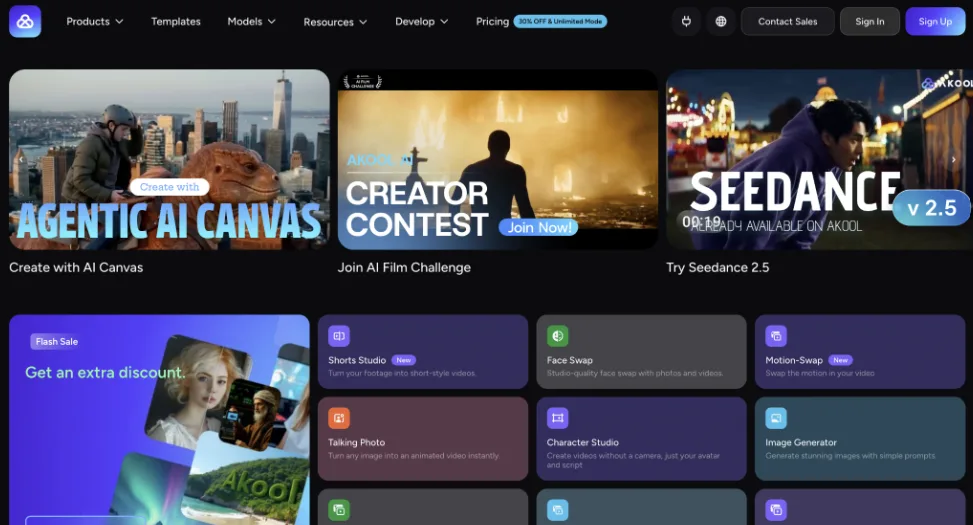
Akool AI Video Generator focuses on talking avatars, face swap, and video translation. That puts pressure on repeat presenter shoots and manual dubbing. Reviews note it works best when you already have creative direction and want to adapt existing footage.
Limits: it runs on credits, and face swap raises consent questions that need a clear policy.
Adobe Firefly
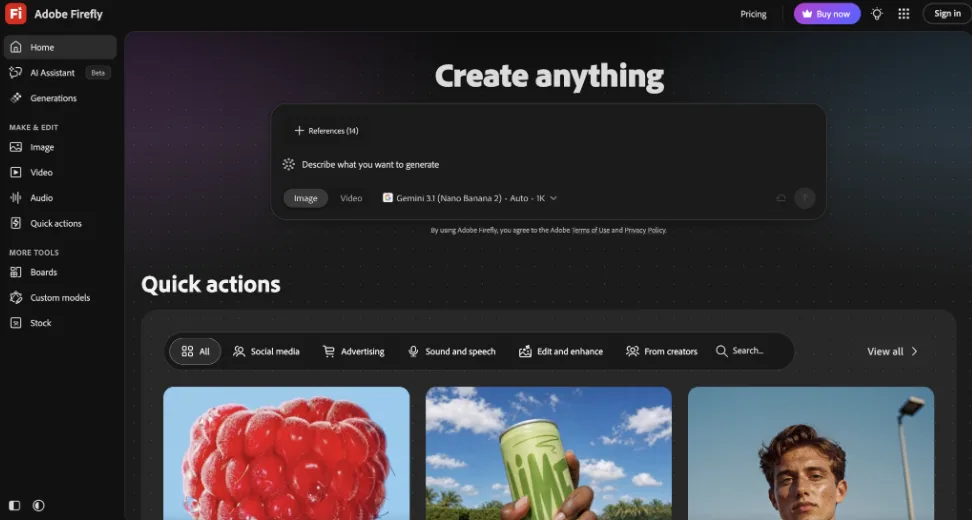
Adobe says its Firefly video model was trained on licensed content, and it attaches Content Credentials to outputs. Adobe has also brought Firefly features into Premiere Pro. That shifts work inside tools editors already use rather than replacing the editor.
Limits: the Firefly app also offers partner models, so check which model made a clip if commercial safety matters to you.
OpenArt
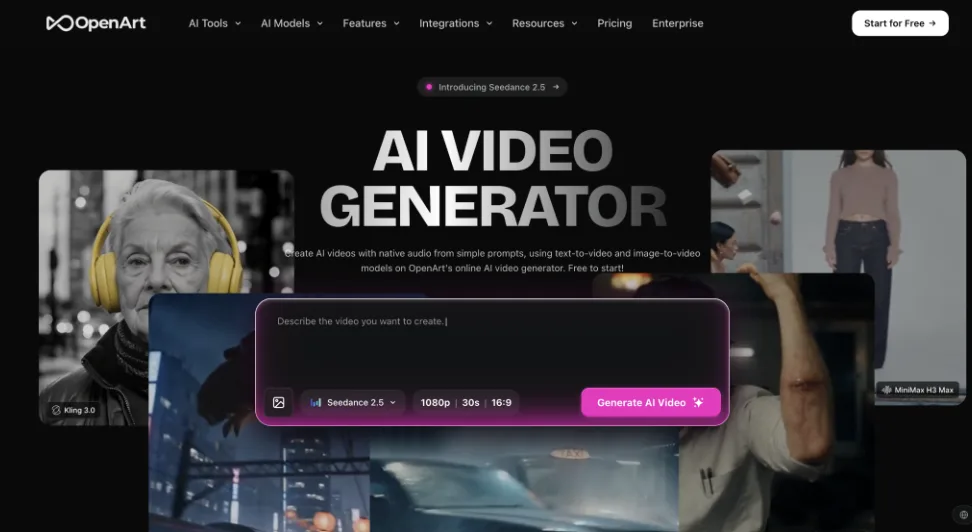
The AI Video Maker by OpenArt combines image, video, voice, and character tools in one place, and it pulls in models from several labs. For solo creators, that means one person can do work that once needed a small team.
Limits: results vary by model, and quality depends on how much you iterate.
Higgsfield
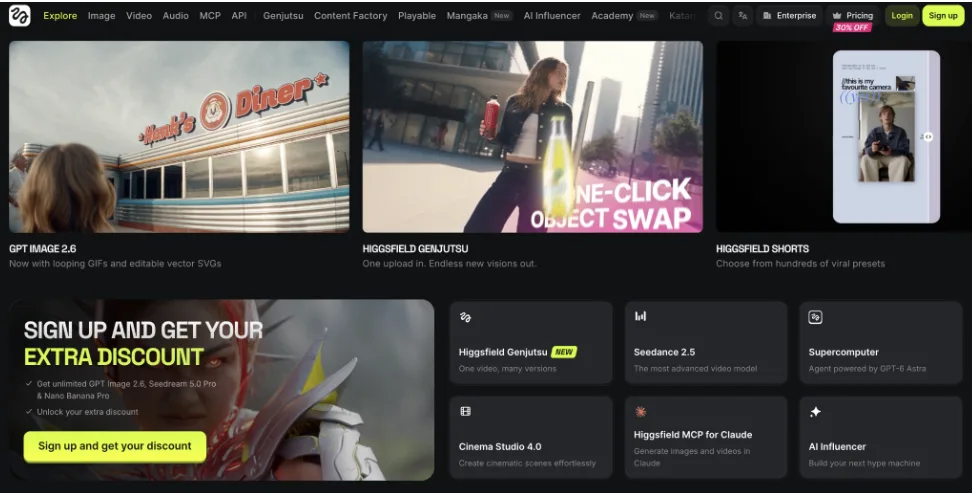
Higgsfield's Cinema Studio lets you set camera, lens, and aperture before you generate. That targets work like previs and shot planning, where directors and cinematographers once led the way.
Limits: some of its guidance comes from the company itself, so test claims against your own results.
Google Veo
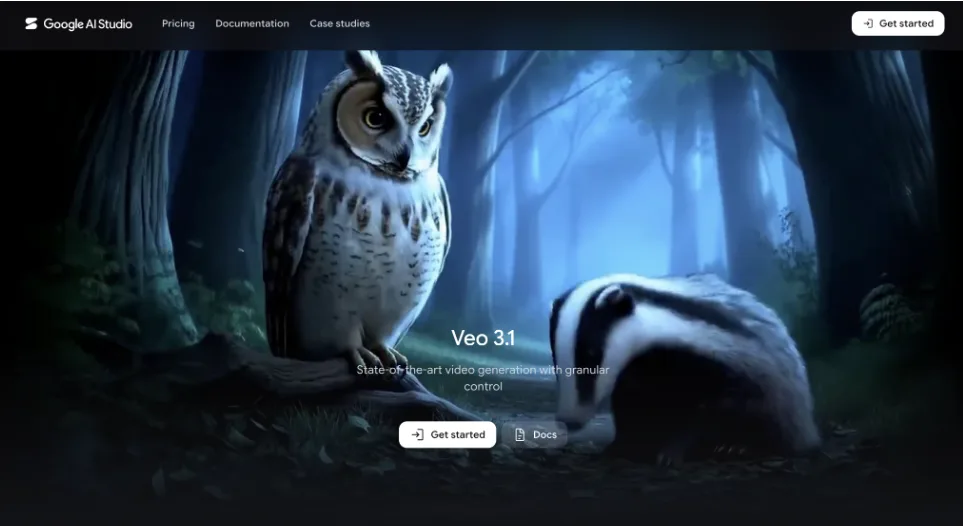
Veo 3.1 makes clips with native audio, supports reference images, and works with Flow for stitching shots. It hits generic stock footage hardest.
Limits: about 8 seconds per clip, and features differ by where you use it.
How to protect your career
Learn two or three tools well. Do not chase every launch.
Build taste. The more people can generate, the more a good eye is worth.
Show your process. Clients want to know you can direct AI, not just press a button.
Own the risky parts. Rights, consent, and disclosure are becoming real jobs.
Mix AI with real footage. Hybrid work is where many studios are heading.
FAQ
Will AI video replace video editors?
Not entirely. It will change the work. Routine edits are easier to automate. Story, pacing, and taste are not.
Which video jobs are safest from AI?
Roles built on judgment, live presence, and trust. Directors, on location crews, and producers are examples.
Is AI video generation good enough for professional work?
For many short and simple uses, yes. For complex scenes, it still needs careful review and editing.
Should beginners learn AI video tools?
Yes. Marketers and studios already use them, and the numbers keep rising.