
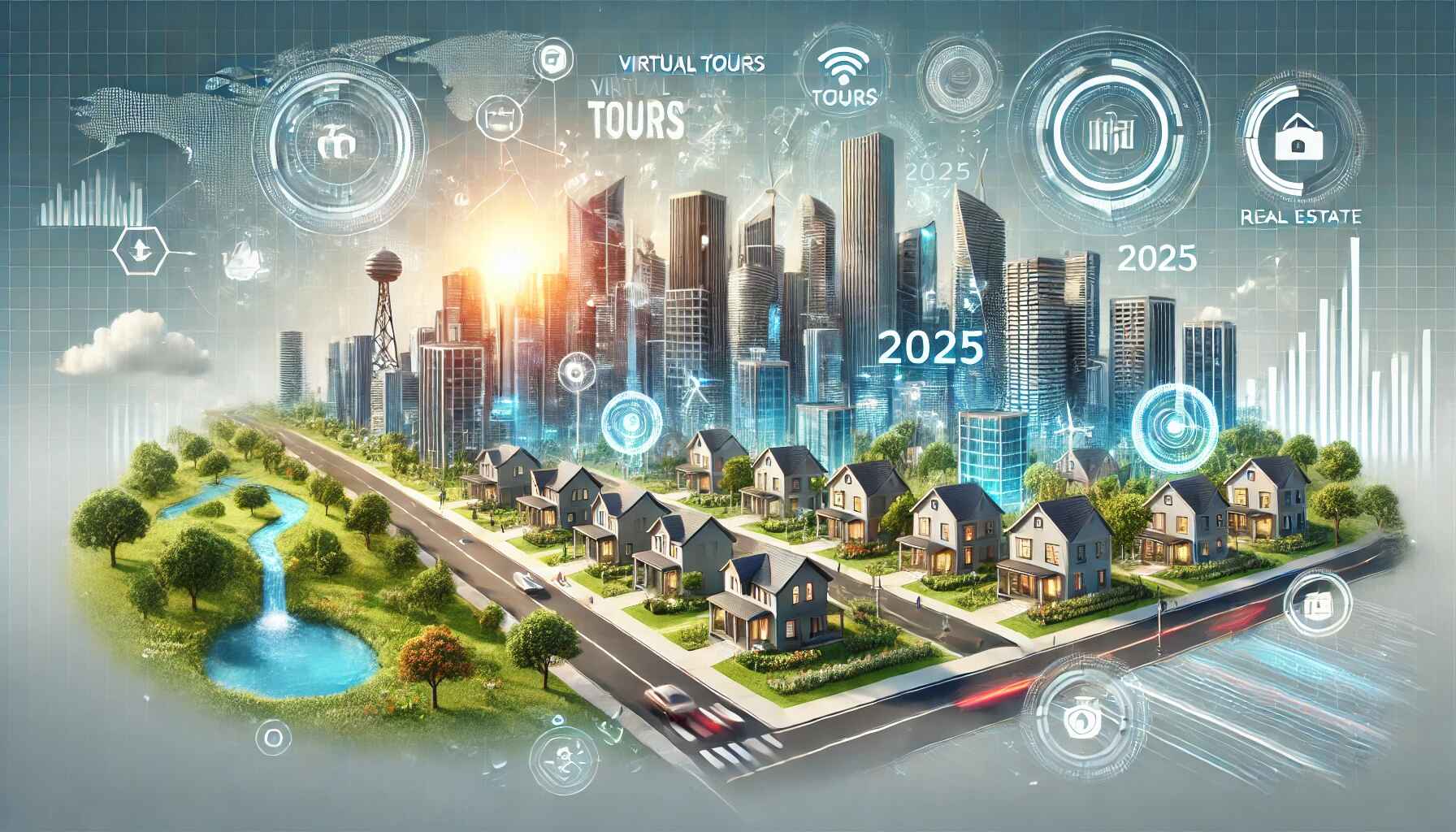
The Evolving Landscape of Real Estate in 2025
The real estate industry continues to evolve, influenced by economic trends, technological advancements, and shifting consumer demands. Whether buying, selling, or investing, understanding the market’s current state is crucial for making informed decisions. In 2025, several key factors are shaping the real estate sector, including sustainability, digitalization, and changing urban development patterns.
The Rise of Smart Homes and Sustainable Living
One of the most significant trends in real estate today is the increasing demand for smart homes and sustainable living spaces. Homebuyers and investors are prioritizing energy efficiency, smart security systems, and eco-friendly materials. Governments and local authorities are also implementing regulations that encourage green building practices, making sustainability a core component of the modern housing market.
The Importance of Property Management
New York City remains one of the most dynamic and challenging real estate markets in the world. Property management in NYC plays a crucial role in ensuring smooth operations for residential and commercial properties. With a high demand for rental properties, property managers help landlords and tenants navigate leasing, maintenance, and regulatory compliance. Their expertise is essential in maintaining the value of real estate assets while providing quality living and working spaces.
Technology’s Impact on Real Estate Transactions
Digital platforms have revolutionized how people buy, sell, and rent properties. Virtual tours, blockchain-based transactions, and AI-powered market analysis have made real estate dealings more accessible and transparent. These innovations are reducing the complexities of property transactions, allowing buyers and sellers to make quicker and more informed decisions.
The Future of Urban Development
Urban development is adapting to new lifestyle trends, such as remote work and flexible living spaces. Cities are incorporating mixed-use developments that combine residential, commercial, and recreational areas to create more vibrant and sustainable communities. Additionally, real estate developers are focusing on infrastructure improvements to support growing populations and economic activities.
Conclusion
The real estate industry in 2025 is characterized by rapid technological advancement, sustainability initiatives, and evolving consumer preferences. Whether you’re an investor, homeowner, or renter, staying informed about these trends is essential. With the right strategies and insights, navigating the real estate market can be both rewarding and profitable.


