
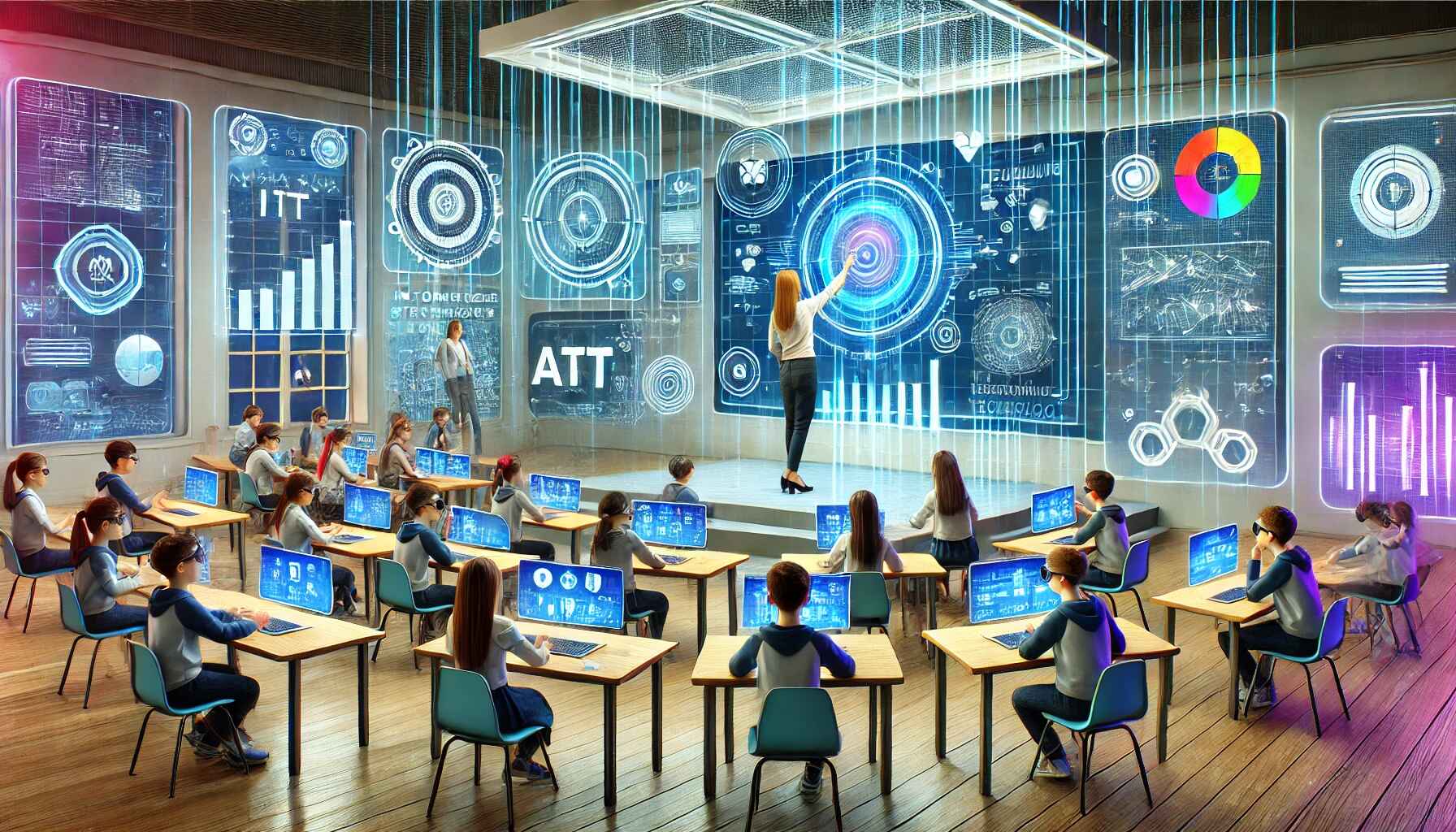
The Evolving Landscape of Education: ITT Skills for the Modern Classroom
Nowhere in history has the world of education been subject to quite such a revolution as now, with endless innovations in Information Technology and Telecommunications. ?? With the introduction of AI-learning platforms and boards, technology has redefined all the aspects of teaching and learning.
For educators and students alike, developing ITT skills is no longer optional; it is necessary for those aspiring to thrive in a modern classroom. ?? Let us explore how ITT is changing education and the skills required to keep pace with that change. ??
1. The Digital Transformation of Education ???
Gone are the days when education was confined to textbooks and chalkboards. Today, technology is at the heart of the learning experience, creating new opportunities and challenges. Here’s how ITT is revolutionizing education:
Interactive Learning Tools: Learning becomes bright and interesting with the use of interactive learning tools such as smartboards, tablets, and educational applications. ??
Online Learning Platforms: Platforms like Google Classroom, Zoom, and Moodle aid in remote and hybrid learning and enable education by overcoming geographical barriers. ??
Customized Learning: AI-driven programs evaluate student performance and personalizes them so that no student is left behind. ??
Virtual and Augmented Reality: VR and AR make living out abstract concepts and substantiate subjects such as science and history. ???
The digital transformation of education is not just about using technology—it’s about reimagining the learning experience. ?
2. Essential ITT Skills for Educators ????
For educators, mastering ITT skills is crucial for delivering effective and engaging lessons. Here are some key skills to develop:
Digital Literacy: Knowing how to use digital tools and platforms is the foundation of contemporary education. ??
Online Classroom Management: Management of virtual classrooms, creating breakout rooms, and employing collaboration tools like Google Workspace are some of the preconditions for remote teaching. ????
Content Creation: Enriching lessons through the creation of interactive presentations, videos, and quizzes on platforms like Canva, PowerPoint, and Kahoot increases the engagement of students. ??
Data Analysis: Use of data analysis tools to monitor student growth and identify areas for intervention. ??
Cybersecurity Awareness: A critical responsibility is the protection of student data and the provision of safe online environments. ???
By developing these skills, educators can create dynamic and inclusive learning environments. ?
3. ITT Skills for Students: Preparing for the Future ??
Students today are digital natives, but they still need guidance to harness technology effectively. Here are some ITT skills that students should develop:
Basic Coding and Programming: Learning languages like Python, Scratch, or JavaScript fosters problem-solving and creativity. ??
Digital Collaboration: Using tools like Google Docs, Slack, and Trello to work on group projects and communicate effectively. ??
Media Literacy: Evaluating online information critically and understanding digital citizenship. ??
Cybersecurity Basics: Protecting personal information and understanding online safety. ???
Adaptability: Embracing new tools and technologies with confidence. ??
These skills not only enhance academic performance but also prepare students for future careers in a tech-driven world. ?
4. The Role of AI and Machine Learning in Education ??
Artificial Intelligence (AI) and Machine Learning (ML) are transforming education in profound ways. Here’s how:
Personalized Learning: AI analyzes student data to create customized learning paths, allowing every pupil to progress at his or her own pace. ??
Automated Grading: Applications like Gradescope and Turnitin use an automated grading algorithm that saves professors a great deal of time and provides immediate feedback. ???
Intelligent Tutoring Systems: These are AI-assisted tutors that provide on-demand assistance in helping students understand a topic. ????
Predictive Analytics: Spotting students with early warning signs and administering targeted interventions. ??
AI is not here to replace teachers but to empower them, making education more efficient and effective. ?
5. Bridging the Digital Divide ??
While technology has the potential to revolutionize education, it also highlights the digital divide—the gap between those with access to technology and those without. Here’s how we can bridge this gap:
Affordable Devices: Providing low-cost laptops, tablets, and smartphones to underserved communities. ??
Internet Access: Expanding broadband infrastructure to rural and remote areas. ??
Digital Literacy Programs: Offering training to students, teachers, and parents on using technology effectively. ??
Public-Private Partnerships: Collaborating with tech companies to fund and implement digital education initiatives. ??
Bridging the digital divide ensures that every student has an equal opportunity to succeed. ?
6. The Rise of EdTech Startups ??
The education technology (EdTech) sector is booming, with startups developing innovative solutions to enhance learning. Here are some trends to watch:
Gamification: Using game elements to make learning fun and engaging. ??
Microlearning: Breaking lessons into bite-sized chunks for easy consumption. ??
Immersive Learning: Leveraging VR and AR for hands-on experiences. ???
Blockchain in Education: Using blockchain for secure credentialing and record-keeping. ??
EdTech startups are driving innovation and pushing the boundaries of what’s possible in education. ?
7. Challenges and Solutions in ITT Integration ??
While the benefits of ITT in education are clear, there are challenges to overcome:
Resistance to Change: Some educators and institutions may be hesitant to adopt new technologies. ?
Solution: Provide training and support to ease the transition. ??
Privacy Concerns: Protecting student data is a top priority. ?
Solution: Implement robust cybersecurity measures and educate stakeholders. ???
Cost and Accessibility: High costs can limit access to technology. ?
Solution: Seek funding and partnerships to make technology more affordable. ??
By addressing these challenges, we can create a more inclusive and effective education system. ?
8. The Future of Education: A Glimpse Ahead ??
The future of education is bright, with ITT playing a central role. Here’s what we can expect:
AI-Powered Classrooms: AI will personalize learning, automate administrative tasks, and provide real-time feedback. ??
Global Collaboration: Students and educators will collaborate across borders, fostering cultural exchange and innovation. ??
Lifelong Learning: Education will extend beyond traditional classrooms, with online platforms offering courses for all ages. ??
Immersive Experiences: VR and AR will make learning more interactive and engaging. ???
The future is not just about technology—it’s about creating meaningful and impactful learning experiences. ?
9. Tips for Educators and Students to Thrive in the Digital Age ??
Here are some practical tips for embracing ITT in education:
For Educators:
Stay curious and keep learning. ??
Experiment with new tools and technologies. ???
Foster a growth mindset in your students. ??
For Students:
Take ownership of your learning. ??
Explore online resources and tutorials. ??
Collaborate with peers and share knowledge. ??
Together, educators and students can create a vibrant and dynamic learning environment. ?
10. Conclusion: Embracing the ITT Revolution in Education ??
The integration of ITT in education is not just a trend—it’s a revolution. By developing ITT skills, educators and students can unlock new possibilities and prepare for the future. ? Whether it’s through personalized learning, global collaboration, or immersive experiences, technology is transforming education in ways we never imagined. ?
As we navigate this evolving landscape, let’s embrace the opportunities, overcome the challenges, and work together to create a brighter future for education. ??


